Root canal treatment at Smile Spot Mawson Lakes removes infection from inside a damaged tooth — relieving pain and preserving your natural tooth rather than extracting it. We take a gentle, unhurried approach so you feel informed and comfortable throughout.
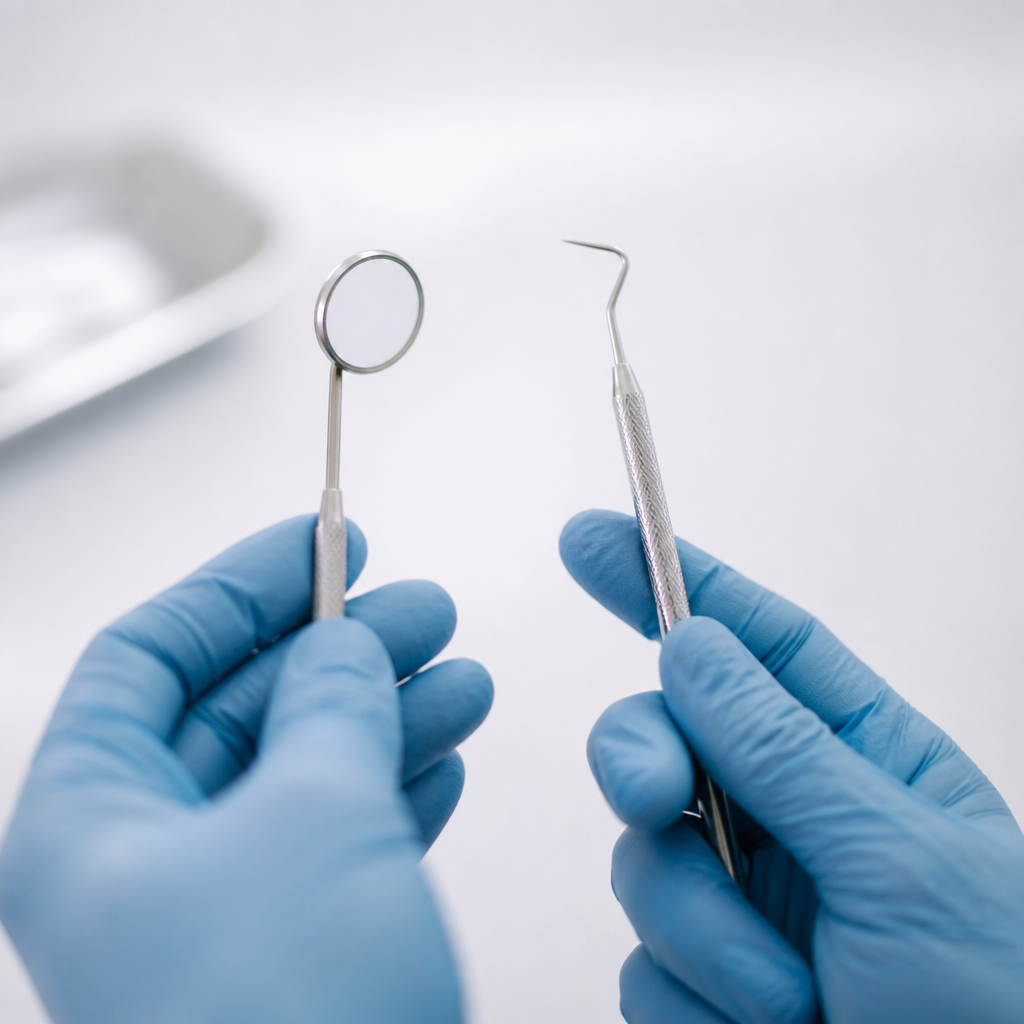
Root canal treatment has a reputation that's much worse than the reality. That reputation largely comes from the era before modern anaesthetics and techniques — today, the procedure is carried out under effective local anaesthetic and most patients find it considerably more straightforward than they expected. The intense pain you feel before treatment comes from the infection itself. Removing that infection is what provides relief.
At Smile Spot Mawson Lakes, we take the time to explain what we're doing at each step and make sure you feel numb and comfortable before we begin. If you've been putting off treatment because of anxiety, please tell us — we can take things at a pace that works for you. Our evening hours, open until 7pm Monday to Thursday, also mean you don't need to carve out time off work to attend.
Inside every tooth is a soft core called the pulp, which contains the nerve, blood vessels, and connective tissue. When bacteria reach this inner layer — through deep decay, a crack, a chip, or repeated trauma — the pulp can become infected and inflamed. This is what causes the persistent, often severe toothache that many people associate with a dental abscess.
Root canal treatment (also called endodontic treatment) removes the infected or damaged pulp, cleans and disinfects the root canals, and seals the tooth to prevent re-infection. The natural tooth is preserved in place. For patients in Mawson Lakes and nearby areas such as Salisbury, Para Hills, and Parafield, keeping a natural tooth is generally far preferable to extraction and replacement.
It's worth noting that sometimes a tooth that requires root canal treatment causes very little pain, particularly if the nerve has already died. This is one reason regular dental check-ups matter — problems can appear on X-rays well before they become symptomatic.
We take an X-ray of the affected tooth to assess the extent of the infection and the anatomy of the root canals. We'll explain what we find and what treatment involves before proceeding with anything.
The area around the tooth is thoroughly numbed with local anaesthetic. We take the time to ensure the anaesthetic has fully taken effect before beginning — you should feel pressure during the procedure, but not pain. If you feel discomfort at any point, let us know immediately.
A small opening is made in the top of the tooth to access the pulp chamber and root canals. The infected or damaged pulp tissue is carefully removed using fine instruments.
Each canal is cleaned, shaped, and disinfected to remove all traces of bacteria. This is the most detailed part of the procedure and the step that eliminates the source of infection.
The canals are filled and sealed with a biocompatible material. A temporary filling is placed to protect the tooth between appointments. At a subsequent visit, a permanent restoration — usually a crown — is placed to protect the tooth and restore full function.
Some mild tenderness around the treated tooth for a few days after treatment is normal, particularly when biting down. Over-the-counter pain relief is typically sufficient to manage any discomfort during this period. The severe pre-treatment pain should ease as the infection clears.
Most people resume their normal routine the same day or the following day. Evening and after-work appointments at Smile Spot Mawson Lakes mean you can schedule your follow-up without disrupting your week. Avoid biting hard foods on the treated tooth until your crown is placed, and contact us if you experience significant pain, swelling, or any other concerns.
Nothing fully replicates a natural tooth. Your own teeth have roots that stimulate the surrounding jawbone and keep it healthy. Losing a tooth and leaving the space unfilled can lead to neighbouring teeth gradually drifting, changes to your bite, bone loss in the jaw, and eventually further tooth loss over time. Where root canal treatment is clinically appropriate, preserving the natural tooth is generally the approach we recommend discussing before considering extraction and replacement with an implant or bridge.
Root canal treatment is carried out under local anaesthetic, so the tooth and surrounding area will be numb during the procedure. Most patients find the treatment itself is no more uncomfortable than having a filling placed. The throbbing pain you feel before treatment comes from the infection — removing the infected tissue is what provides relief.
Most root canal treatments are completed over one to two appointments, depending on the complexity of the tooth and the extent of the infection. We will give you a clear picture of what to expect at your initial assessment. Between appointments, a temporary filling protects the tooth and keeps it comfortable.
In most cases, yes. A tooth that has undergone root canal treatment no longer has a nerve supply and can become more brittle over time. A crown protects the remaining tooth structure and restores full chewing function. Your dentist will discuss the most appropriate restoration for your tooth at the time of treatment.
A dental infection does not resolve on its own. Left untreated, it can spread to surrounding bone and soft tissue, which may become a serious health concern requiring more extensive and costly intervention. The tooth will generally need to be extracted eventually. Treating the problem early gives you the best chance of keeping your natural tooth.
Don't wait — dental infections don't resolve on their own. Call or book online and we'll assess your tooth promptly. Evening appointments available at Smile Spot Mawson Lakes.
See our special offers for new patients →